
How to count calories without weighing your food
5 min read · Last reviewed
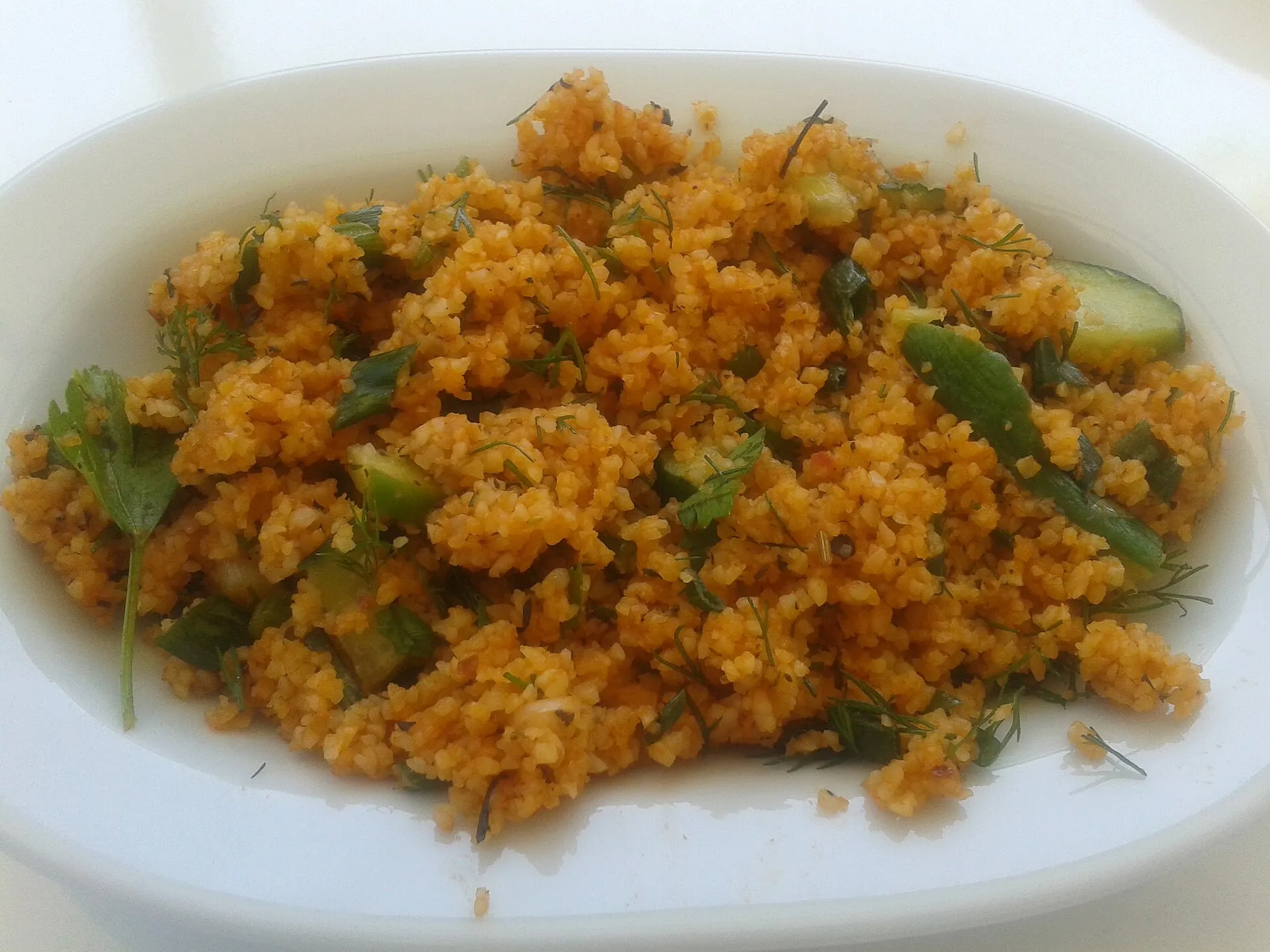
You can count calories without weighing your food, and for many people it works well enough to lose weight. It is less precise, so expect your totals to be off by a noticeable amount on any given day. What matters is that the error is steady and that you know where it hides: oils, sauces, drinks and portions that creep up over time.
How accurate can you be without a scale
Less than you would like, and a scale is not perfect either. Reviewing studies that compared tools for estimating portion size with the real amounts, Amoutzopoulos and colleagues report that misjudging a portion adds error in both directions, that image-based tools beat food models and household utensils, and that few of the validation studies were high quality. In plain terms, there is no tool without error and not much evidence on which method wins for you.
Self-report has its own problem. In a well-known study of ten obese people who said they could not lose weight on low intakes, measured intake was about 47% higher than they reported. That is a small, unusual group, so do not read it as the average person. It does show how far memory and eyeballing can drift.
The comparison to keep in mind is not “scale versus eye”. It is “logging imperfectly versus not logging”. The first beats the second.
Hand and household portions
The British Dietetic Association portion guide gives visual sizes you can use anywhere:
- Cooked meat, 90 g: about a deck of cards.
- Cooked white or oily fish, 140 g: about the size of your palm.
- Eggs, 120 g: two medium eggs.
- Cooked beans or lentils, 150 g: four tablespoons.
- Unsalted nuts, 30 g: one handful.
The British Heart Foundation uses the same idea: a starchy portion is about the size of your palm, and a protein portion slightly smaller than your palm. Hands vary, so treat these as rough anchors, not measurements. They work best for the things you eat every week, because a repeated error stays steady.
Packets, labels and restaurant meals
A label gives calories per 100 g or per portion, and the NHS calorie-counting page warns that the manufacturer’s portion may differ from yours. Its example: a rice packet lists 260 calories for a 75 g portion, so a 150 g helping is 520. Reading the portion line is the single most useful label habit.
Labels themselves are close but not exact. In a study of 24 popular snacks, measured calories ran a median of 4.3% above the label, which the authors describe as well within regulatory limits. So packet food is among the more reliable entries you can log. In the Trimlo app, scan the barcode and it looks up the food for you. If the barcode is not found, take a photo of the nutrition label and the app fills in the food.
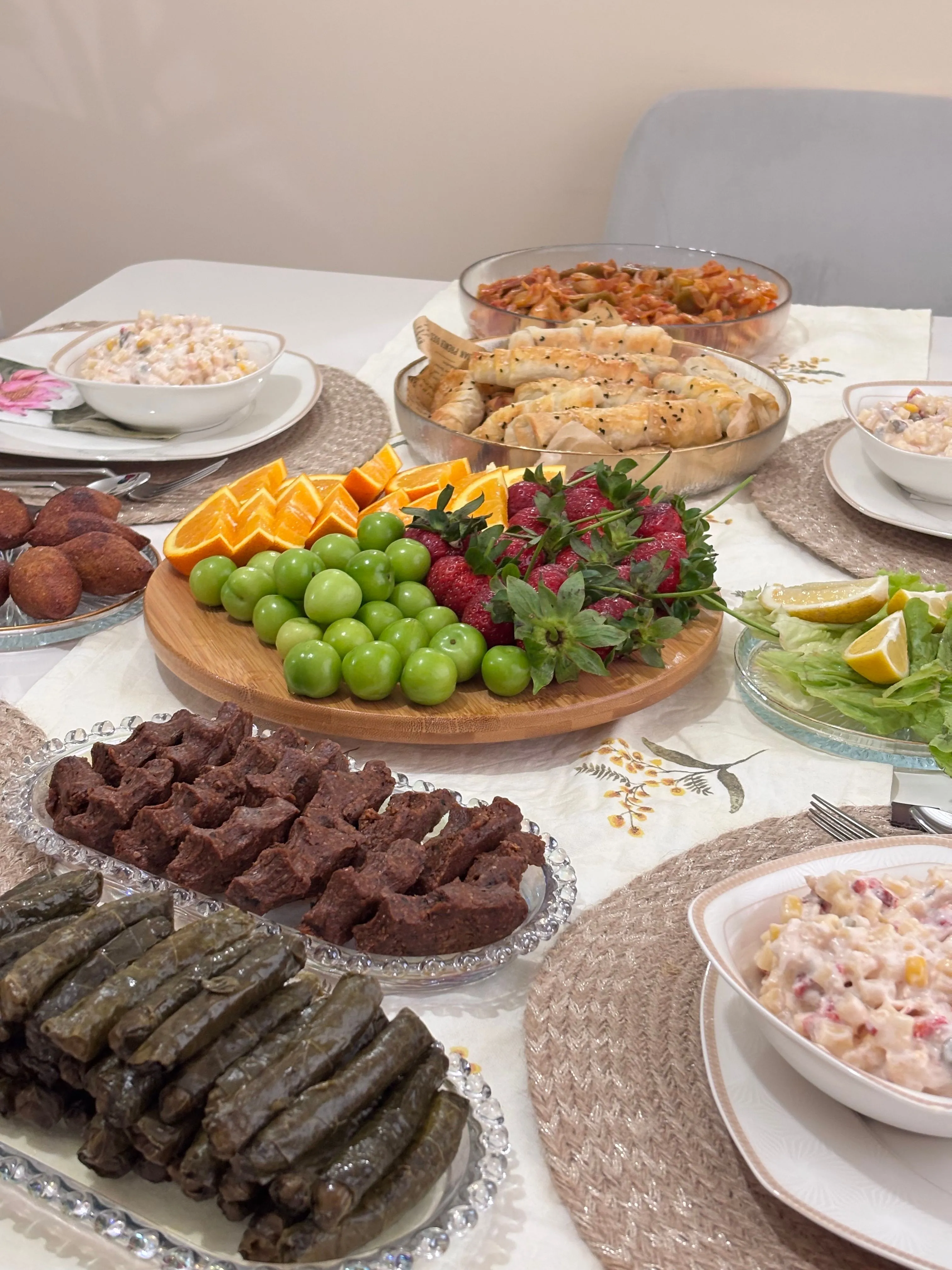
Restaurant and takeaway meals are the opposite. You cannot see the oil, the kitchen’s portion varies, and any entry in a database is a guess. Log them as a best estimate and move on.
Where the errors hide
Most misses come from the same few places.
- Cooking oil. One tablespoon of olive oil is about 120 kcal, and a level tablespoon is about 11 g of oil by the BDA’s measure. A confident pour is two. On a 1,600 kcal day, that is 15% from the pan alone.
- Sauces, dressings and spreads. The NHS asks you to include them, with cooking oil and toppings.
- Drinks. The NHS lists alcohol, fizzy drinks and juice as calories to record. A drink you never thought of as food is easy to leave out.
- Portion creep. The rice that was 75 g in the first week becomes 110 g by the fifth, because you are hungrier or the pan is bigger.
- Bites and tastes. Finishing a child’s plate or tasting while cooking does not feel like a meal.
Notice that these skew in one direction: toward eating more than you logged. If you have to guess, round up for oils and sauces.
Photo logging
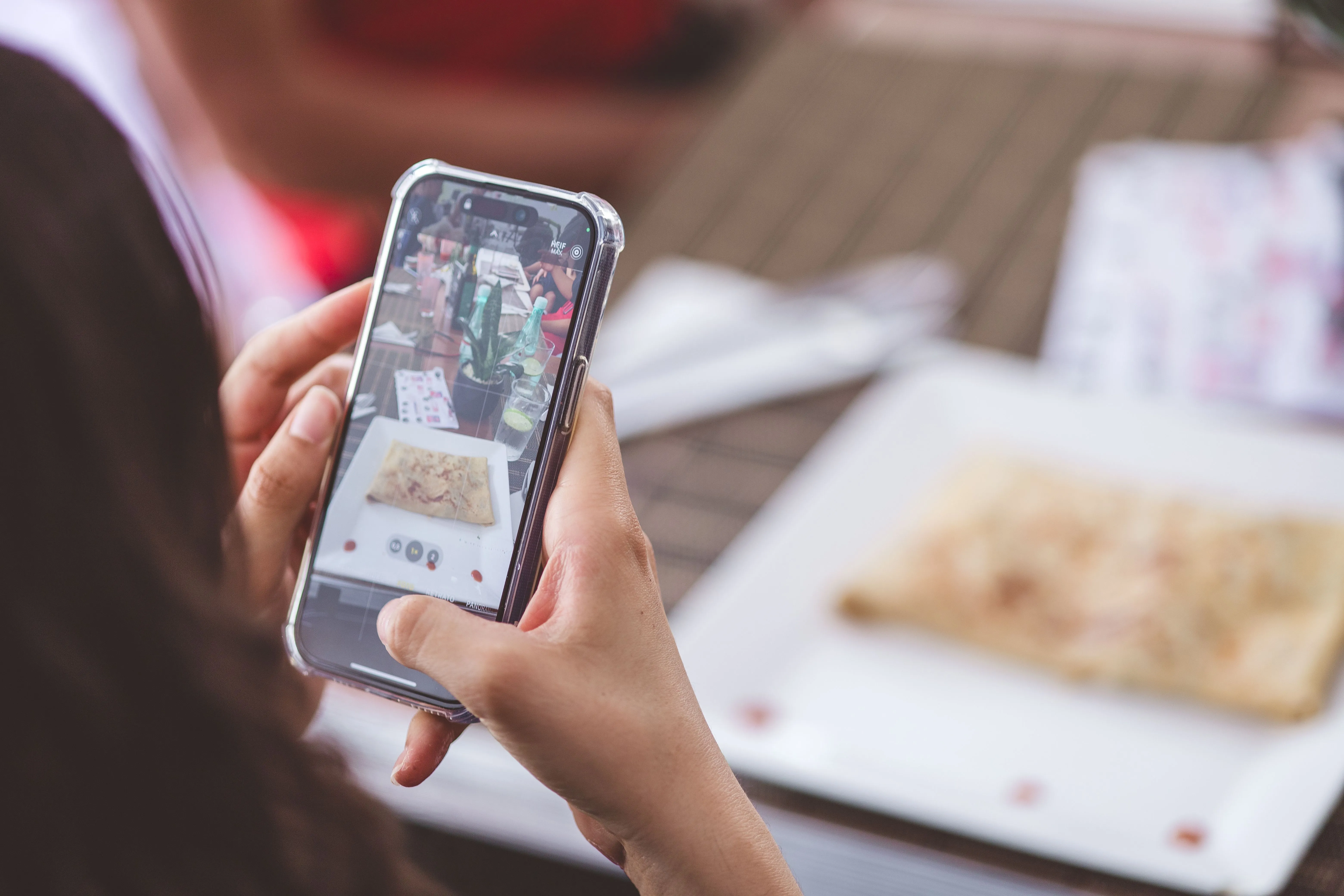
Taking a photo of your meal is the lowest-effort way to log, and effort decides whether people keep logging at all. It is also an estimate. The model judges portion size from a flat image, and hidden fat is exactly what a camera misses. We covered what studies show in how accurate AI photo calorie counting is.
In the Trimlo app, you snap a photo of your plate and it estimates the foods and calories. Use the photo as a first draft. If a meal looks wrong, change the amount, and add the oil you cannot see.
When a scale is worth using
You do not have to weigh forever. The NHS suggests weighing portions when you start, as a check that your usual servings match the label. A cheap way to use that idea:
- For one week, weigh your 8 to 10 most repeated foods once each: rice, pasta, oats, cereal, bread, cheese, nut butter, oil.
- Compare each one with what you would have guessed. Write the gap down.
- Put the weighed amounts back into your regular meals as your new “normal portion”.
- Repeat for a day or two every couple of months to catch drift.
That one week trains your eye on the foods that make up most of your calories, which is where the largest errors sit.
Let your weight trend check the logging
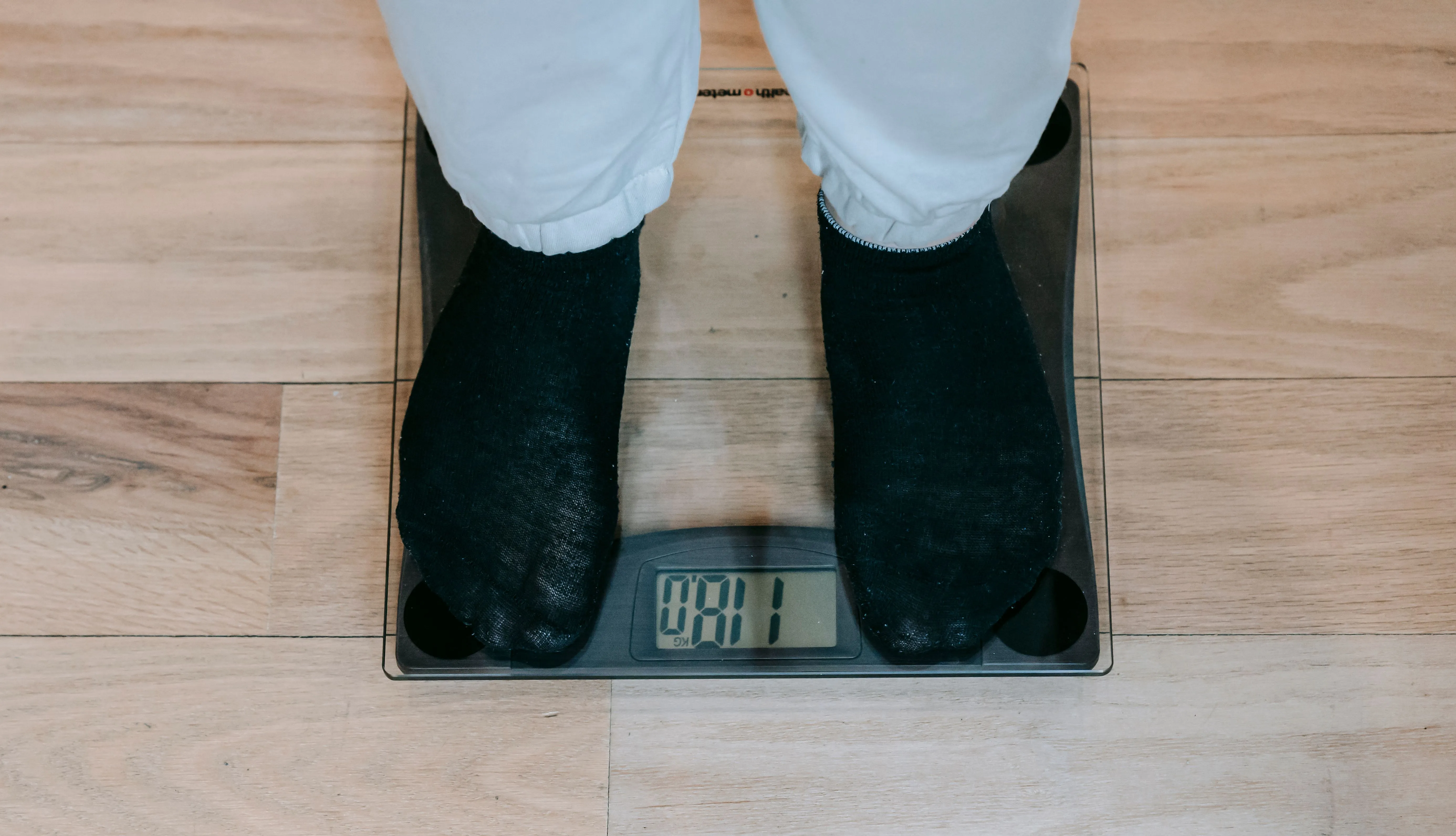
You do not need exact numbers to find out whether your logging works. A 10% error on a 1,700 kcal day is about 170 kcal, and on a 2,500 kcal day about 250. If the error stays the same every day, it shifts your totals equally and your weight trend still tells you the truth. Follow the method in how to find your maintenance calories and judge the plan after two to three weeks.
If the scale does not move as expected, look first at oils, drinks and portions, as in why you may not be losing weight in a deficit.
When to get help
If counting calories makes you anxious, controlling or ashamed, stop and talk to a GP or dietitian. The same goes if you have a medical condition, take regular medication, are pregnant or breastfeeding, or have had an eating disorder. Counting is a tool, and it should not run your day.
Read next

Sources
- NHS Better Health: Calories and weight loss
- British Dietetic Association: Food Fact Sheet, Portion Sizes
- British Heart Foundation: Portion size
- Amoutzopoulos et al., Portion size estimation in dietary assessment: a systematic review of existing tools, their strengths and limitations (Nutr Rev, 2020)
- Jumpertz et al., Food label accuracy of common snack foods (Obesity, 2013)
- Lichtman et al., Discrepancy between self-reported and actual caloric intake and exercise in obese subjects (N Engl J Med, 1992)
- University Hospitals: Nutrition facts for olive oil, 1 tablespoon (USDA entry)