
How accurate is AI photo calorie counting?
4 min read · Last reviewed
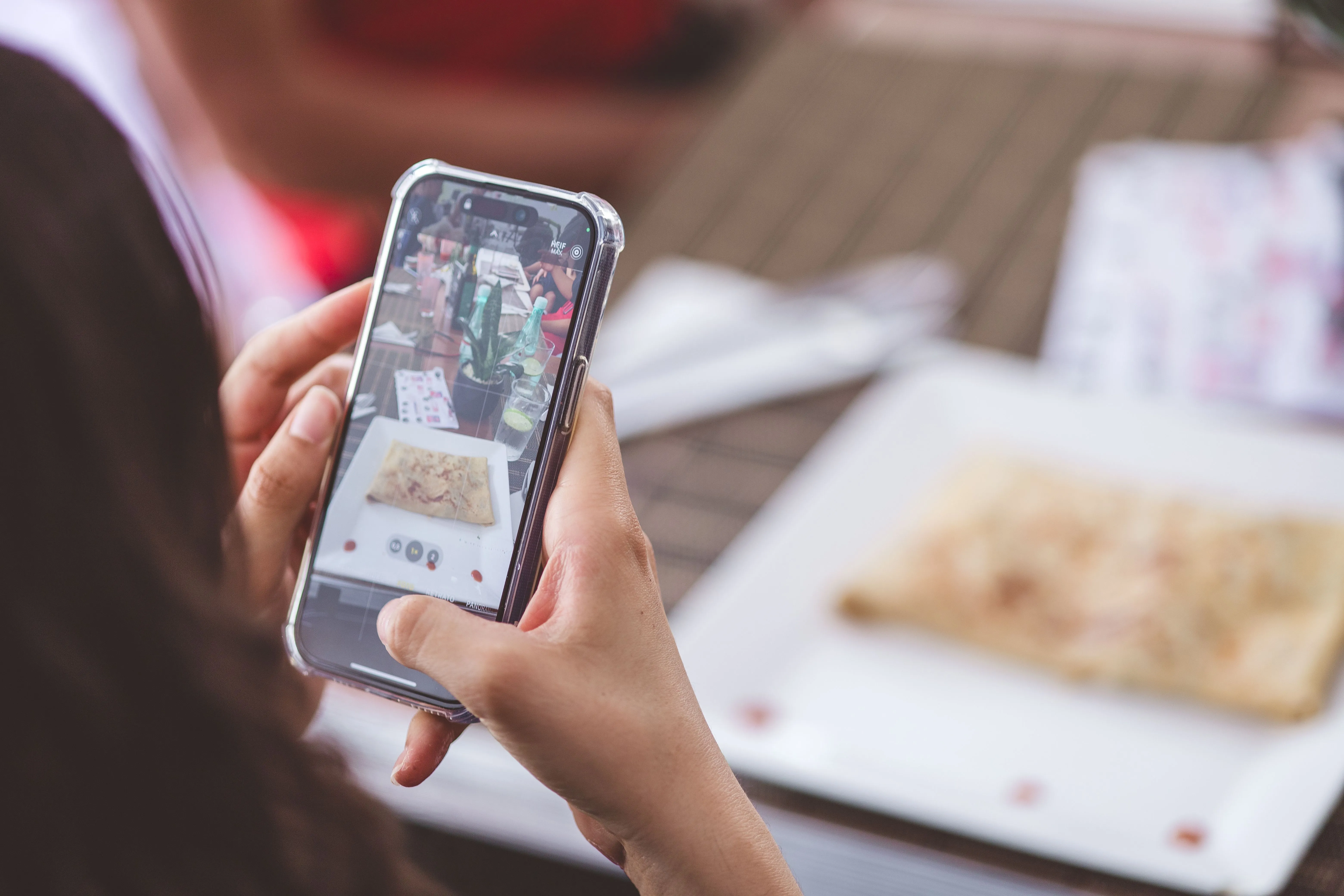
AI photo calorie counting is useful but not precise. Studies of AI food-image tools report average errors ranging from a few percent to nearly 40%, and the misses tend to grow with mixed dishes, hidden oils and larger portions. Treat the photo as a first draft that needs a human check.
What the research actually measures
The biggest picture comes from a systematic review by Shonkoff and colleagues, which pooled 52 studies published between 2010 and 2023. Across the studies that reported it, the average relative error for calories ranged from 0.10% to 38.3%. The range was wide because the studies used different foods, different cameras and different definitions of “ground truth”.
The review also found that errors were usually smaller for simple, single foods and larger for plates with several components. Its conclusion was measured: AI methods are in line with, and may sometimes exceed, human estimates, but the tools still need development before they can stand alone in research or clinical care.
Where AI does well
AI is good at recognising what is on the plate. In a 2024 study of seven commercial apps, the best tools identified 90% to 97% of individual food components correctly. That is a real skill, and it saves time.
It is also reasonably good at ranking meals. In a 2025 study of ChatGPT-4o and Claude 3.5 (more on chatbots versus apps), the correlation between the models’ energy estimates and the weighed reference values was 0.73 to 0.78. In other words, a bigger meal usually got a bigger estimate.
That is enough for spotting patterns. It is not enough to treat the number as exact.
It also matters for behaviour. Logging is something you have to keep doing, and a tool that makes it easier can improve consistency even when each entry is approximate. The goal is a useful record, not a perfect one.
Where it struggles most
The same 2025 study is blunt about the weak spot: portion size. ChatGPT and Claude both had an average error of about 36% for weight and energy, and both underestimated larger portions more than smaller ones. The error grew as the plate got bigger.
Mixed dishes are the second weak spot. In the 2024 app study, one app underestimated “eggs on toast with butter” by 35% because it left out the butter. Another underestimated the same dish by 73%. For some dishes, underestimation reached 76%.
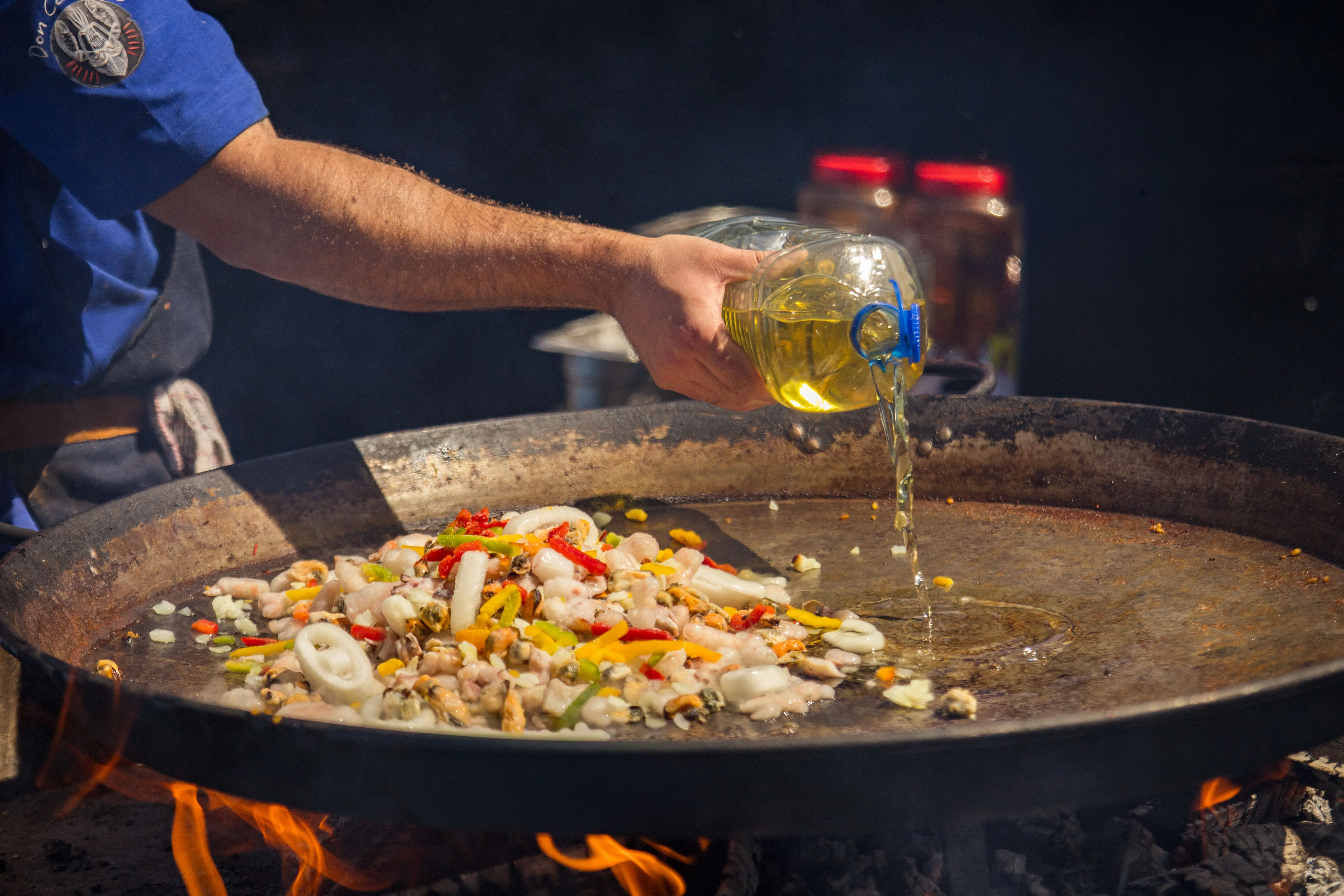
Oils, sauces, dressings and cooking fats are easy to miss because they are not always visible as separate items. A tablespoon of oil is small on the plate and large in the total.
Why photos are hard
A photo is a flat image of a three-dimensional plate. The software has to infer depth, density and what is underneath the top layer. It also has to guess whether a food was fried or boiled, whether a sauce contains cream, and how much of the plate is actually food.
The 2024 study tested apps under controlled lighting, a fixed angle and a clear background. The authors note that real kitchens are messier, which is likely to make recognition harder, not easier.
What this means for your deficit
A 500-calorie deficit is not large. If a 600-calorie meal is underestimated by 30%, the miss is about 180 calories. Two or three misses like that in a day can wipe out the deficit without any obvious overeating.
That is why the honest use of photo logging is to check and correct, not to trust. Weigh the dense parts when you can, add the oil and sauces explicitly, and use the photo as a prompt for what you might have forgotten.
Trimlo logs a meal from a photo or by voice, then shows the grams for you to check before saving. That check is the important part: the AI proposes, you confirm.
When a photo is enough
For some people, a rough log is better than no log. If weighing every ingredient makes you avoid tracking altogether, a photo plus a quick correction is a reasonable compromise. Research on self-reporting shows that people already underestimate what they eat, so a tool that makes logging easier can still help even if each entry is imperfect.
A useful habit is to open the entry after the photo and ask three questions: is every item there, is the portion plausible, and did I add the fat used to cook it? Correcting those three things catches most of the error.
But if you are trying to hit a precise target for a sport, a medical condition or a short-term experiment, use a scale and a food database for the foods that matter most.
Read next

Sources
- Shonkoff et al., AI-based digital image dietary assessment methods compared to humans and ground truth: a systematic review (Ann Med, 2023)
- Li et al., Evaluating the quality and comparative validity of manual food logging and AI-enabled food image recognition in apps (Nutrients, 2024)
- Fridolfsson et al., Performance evaluation of 3 large language models for nutritional content estimation from food images (Curr Dev Nutr, 2025)
- NHS Better Health: Calories and weight loss
- NIDDK: Body Weight Planner