
Tracking food on GLP-1 medication (Ozempic, Wegovy, Mounjaro)
4 min read · Last reviewed
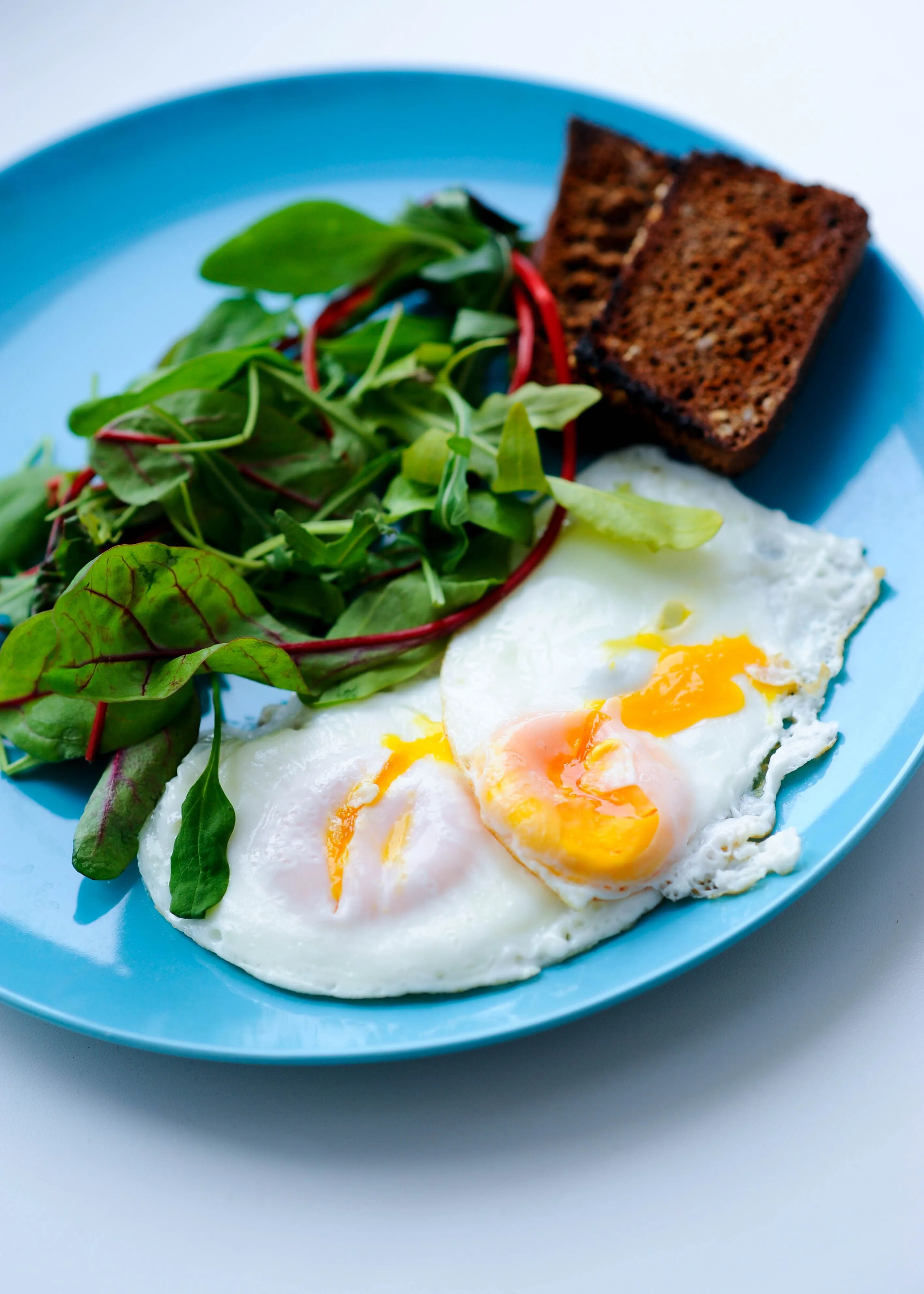
Tracking food on a GLP-1 is less about counting every calorie and more about making sure the smaller amount you eat is enough. These medicines cut appetite and food intake, so the risk shifts from overeating to under-eating protein and key nutrients. This article is general information, not medical advice. It does not cover doses or whether a medicine is right for you. Follow your doctor or dietitian.
What these medicines do to appetite
GLP-1 receptor agonists such as semaglutide (Ozempic, Wegovy) and the dual GIP/GLP-1 agonist tirzepatide (Mounjaro) mimic gut hormones involved in appetite and fullness. They slow gastric emptying, increase satiety and reduce cravings, which is why they can produce substantial weight loss.
In trials, GLP-1s for obesity reduce body weight by roughly 5% to 18%, with smaller effects in real-world use. Energy intake falls by about 16% to 39% compared with placebo.
That is the point of the medication, but it also changes the nutrition problem. When you eat much less, every meal has to work harder to deliver protein, fibre, vitamins and minerals.
The side effects that affect eating
Gastrointestinal side effects are common, especially during the first weeks and after dose increases. In trials:
| Side effect | People affected |
|---|---|
| Nausea | 25% to 44% |
| Diarrhoea | 19% to 30% |
| Constipation | 17% to 24% |
| Vomiting | 8% to 24% |
| Abdominal pain | 9% to 20% |
These symptoms can make eating feel unappealing and can lead to skipped meals or very small portions. They are also a reason to stay in contact with your clinician rather than push through alone.
Why tracking can help
A food log turns a vague sense of “I’m eating less” into something you can see. That is useful in three ways.
First, it shows whether you are eating enough overall. A 2025 advisory on nutrition during GLP-1 therapy notes that intakes below about 1,200 calories a day for women and 1,800 for men make nutrient deficiencies more likely.
Second, it shows whether you are getting enough protein. The same advisory proposes higher protein targets, around 1.2 to 1.6 g per kg of body weight a day, during active weight reduction. A scoping review of nutrition studies during incretin therapy found that protein and micronutrient intake were rarely assessed, and that nutrient inadequacies were common in real-world users.
Third, it helps you spot patterns. If nausea hits after a particular meal size or food, a log can make the connection visible.
The advisory also notes that dietary-tracking apps can help people monitor their intake against individual goals.
What to track, and what not to
You do not need to log everything perfectly. A practical focus is:
- Protein at each meal. This is the nutrient most at risk when appetite is low.
- Total energy. Enough to support your body, not as low as possible.
- Fluids. Nausea, vomiting and diarrhoea can lead to dehydration.
- Fibre. It helps with constipation, a common side effect.
- A few micronutrients, if your clinician has flagged a risk.
What not to do: treat the app as a second doctor. Do not change your dose because of a number you see, and do not chase a very low calorie total. If your intake is consistently tiny, that is a conversation with your clinician, not a target to beat.
Muscle and weight regain
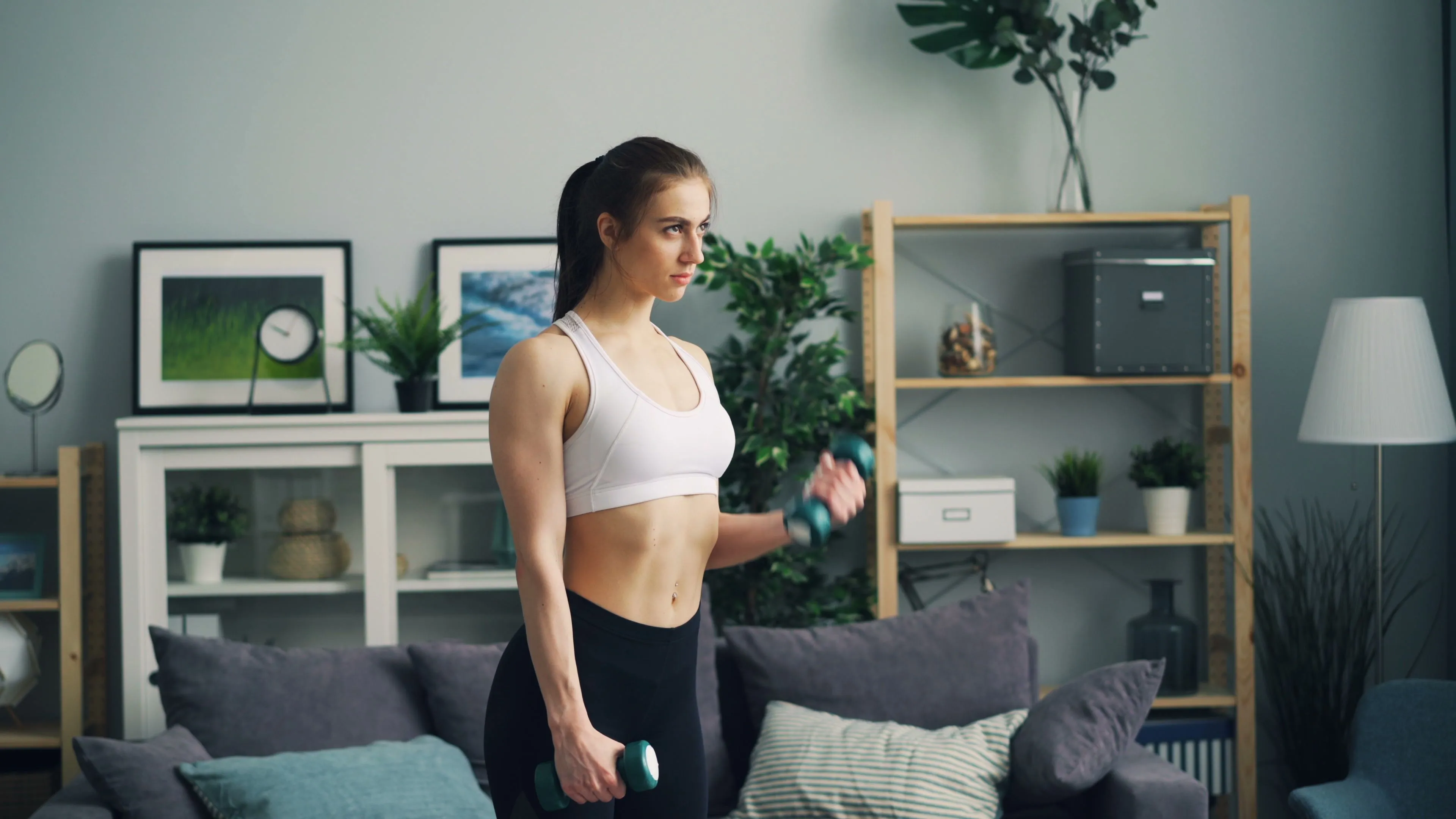
Rapid weight loss on GLP-1s includes lean mass as well as fat. In the STEP 1 trial, of an average 13.6 kg weight loss, about 5.3 kg was lean body mass, roughly 38% of the total. Because muscle is about half of lean mass, that corresponds to roughly 20% of total weight loss being muscle.
The scoping review found that lean tissue loss accounted for up to 40% of total weight reduction across studies. Higher protein intake and strength training are the main defences, and the advisory stresses that protein alone is not enough without resistance exercise.
Tracking protein intake is one way to make that practical. It also helps after the medication stops: weight regain is common, with up to two-thirds of lost weight regained within a year in some analyses.
Working with your clinician
Your doctor or dietitian should set the plan, including your target intake, protein goal and any supplements. NICE is clear that low-energy diets of 800 to 1,200 calories a day belong within specialist care, not self-management.
Tell your clinician about persistent nausea, vomiting, constipation or dizziness. Do not adjust your dose on your own.
How Trimlo fits
Trimlo lets you log meals by searching USDA and ANSES-CIQUAL foods, by scanning a barcode through Open Food Facts, or from a photo or voice note with the grams shown for you to check. You can see the day’s calories and protein, and the diary stays on your phone.
That makes it easier to answer the question that matters most on a GLP-1: am I eating enough of the right things, not just little enough?
Read next

Sources
- Mozaffarian et al., Nutritional priorities to support GLP-1 therapy for obesity (Am J Clin Nutr, 2025)
- Spreckley et al., Nutrition strategies for next-generation incretin therapies: a systematic scoping review (Obes Rev, 2026)
- NICE guideline NG246: Overweight and obesity management, physical activity and diet